
Climate Change Fuels Rise of ‘Mega-Wildfires’ Globally
Wildfires are becoming more intense and widespread globally, including in the United States, due to climate change. Firefighting efforts are increasingly ineffective as extreme heat causes water to evaporate before reaching flames, leading to massive evacuations and long-term recovery needs.…

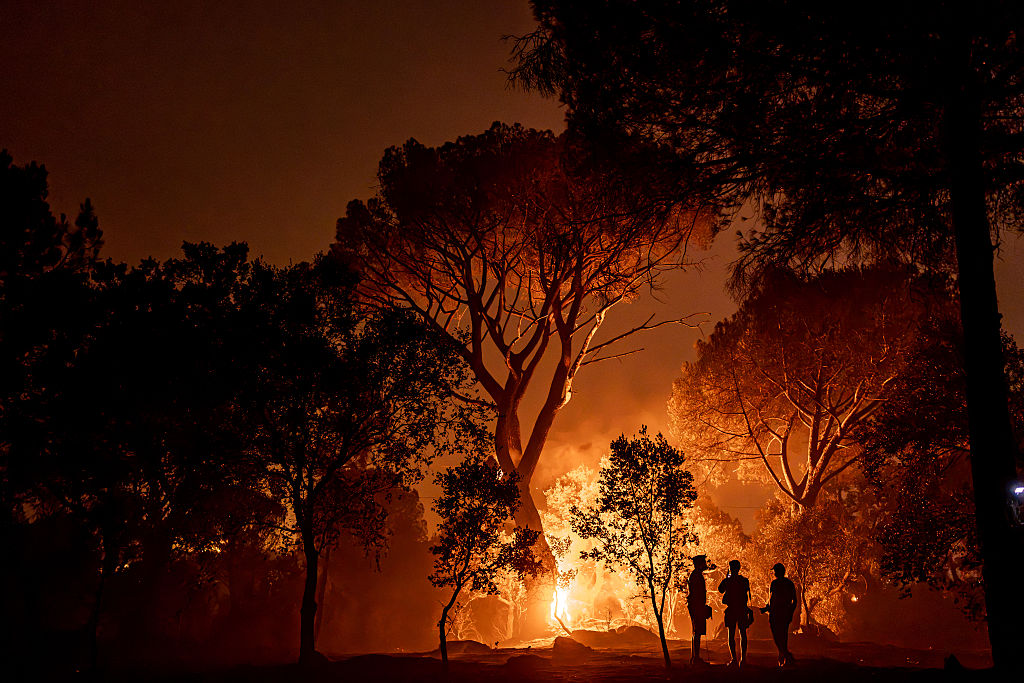
 Houston, TX, August 8, 2026 —
An escalating global trend of more intense and widespread wildfires, particularly evident in the United States, is being directly linked to the impacts of climate change. This phenomenon is pushing firefighting capabilities to their limits, with extreme heat conditions rendering conventional methods less effective.
The rising temperatures associated with climate change are creating an environment where fires ignite more easily and spread with unprecedented speed and intensity. A critical challenge highlighted is the diminishing effectiveness of water-based firefighting tactics. In many instances, extreme heat causes water to evaporate long before it can reach the fire’s core, significantly reducing its impact on containing the blaze.
This evolving landscape of wildfire activity has led to the emergence of what is being termed the “age of mega-wildfires.” These are not merely large fires, but often self-perpetuating systems that generate their own weather patterns. A notable characteristic of these mega-wildfires is the formation of pyrocumulonimbus clouds, towering storm-like clouds that can produce lightning and further spread embers, creating new ignition points and exacerbating the fire’s reach.
The consequences of these intense wildfires extend beyond immediate destruction. They necessitate massive evacuations, forcing large populations to flee their homes and communities. The long-term recovery needs for these devastated areas are substantial, encompassing ecological restoration, rebuilding infrastructure, and supporting displaced residents. Furthermore, these extreme weather events associated with mega-wildfires have a profound and lasting impact on landscapes, altering ecosystems for years to come.
The increasing frequency and severity of these fires underscore the urgent need to address the underlying causes, with climate change identified as a primary driver. The global nature of this trend indicates a widespread environmental challenge requiring coordinated attention and response strategies.
Story summarized from the original created by John Vaillant on time.com, see more information here.
Media gallery

