Elite Tree Service Reveals Post-Monsoon Risks of Delaying Dead Tree Removal
GLENDALE, AZ - October 14, 2026 - PRESSADVANTAGE - Elite Tree Service reminds Phoenix homeowners that delaying

Press Release Disclaimer: This is a press release distributed through the XPR Media network. It has not been independently verified by our newsroom.

GLENDALE, AZ – October 14, 2026 – PRESSADVANTAGE –
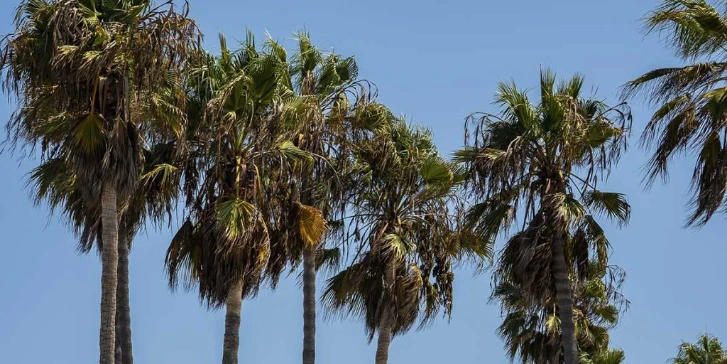
Elite Tree Service reminds Phoenix homeowners that delaying dead-tree removal increases risk now that the 2026 monsoon season has ended. The official season ran from June 15 through September 30, and monsoon storms can expose weakened trees to sudden, powerful wind gusts. The company’s certified arborists say a post-season assessment is a practical step for homeowners considering diseased palm tree removal or removing any other dead tree.
The summer storms showed how quickly trees can become a problem across the Valley. KTAR News reported that a mid-July storm knocked out power to nearly 16,000 customers in the Phoenix metro area. AZFamily reported that an August storm snapped trees and left hundreds without power in north Phoenix, and that a later storm brought down trees in Gilbert and Phoenix.
Elite Tree Service advises homeowners to watch for changes that warrant a professional assessment. These include canopy decline, where branches produce little new growth while nearby trees continue to leaf out, as well as loose bark, trunk deterioration, and fungal growth or disturbed soil near the base. These signs alone don’t confirm a tree is dead, so homeowners should stay back until an arborist evaluates its condition.
Homeowners often postpone an assessment, hoping new growth will appear. Elite Tree Service notes that waiting another season gives decay more time to advance, and a tree can look unchanged from the outside while its structure continues to weaken.
Until an arborist can inspect a tree, the company advises keeping people and vehicles away and avoiding removing loose branches without professional help, especially after a storm. From a safe distance, homeowners can photograph concerning branches or trunk damage to show the arborist later. During an assessment, the company’s certified arborists examine the tree’s structure and root system, then decide how to proceed.
Decay is a key reason waiting increases the chance of failure, since it breaks down the wood that supports a dead tree’s structure. Internal deterioration can reduce trunk strength, while root damage weakens anchorage. These changes aren’t always visible from the outside, so delaying dead tree removal risks a limb or trunk failing before homeowners recognize the danger.
Falling branches can strike roofs, parked vehicles, or power lines, causing property damage or outages. Larger limbs can cause more severe damage when a tree overhangs a building. The risk is greater where people regularly walk or gather, because unstable limbs create safety hazards.
Dead wood also provides food and habitat for termites and certain wood-boring insects. Infestations may remain hidden until feeding damage or insect activity becomes noticeable, and some termites can also infest nearby structural wood. Removing an infested tree eliminates one potential habitat, but an established infestation in a building requires separate pest treatment.
Dead vegetation can also fuel fires during dry conditions. Wind-carried embers may ignite accumulated leaves or other dry material around a tree. Removing a dead tree takes away one source of that fuel.
Severely decayed trees can also be harder to remove. Advanced deterioration can leave a tree unable to safely support a climber or equipment attached to its branches, so a crew may need an aerial lift or a different removal method depending on the tree’s condition and site access. Scheduling removal earlier allows time to assess equipment needs and prepare the work area.
Elite Tree Service is a team of certified arborists and tree care professionals serving Phoenix, Arizona, and the surrounding Valley. The company is licensed and insured in Arizona and offers emergency tree service.
###
For more information about Elite Tree Service , contact the company here:
Elite Tree Service
Donna T.
(480) 386 1196
service@elitetreeaz.com
17609 N 52nd Ln, Glendale, AZ 85308, United States