Blood tests are easier to order than ever. Doctors warn they’re easy to misread.
Hone Health reports that people are increasingly ordering blood tests out of curiosity, raising concerns over

Press Release Disclaimer: This is a press release distributed through the XPR Media network. It has not been independently verified by our newsroom.
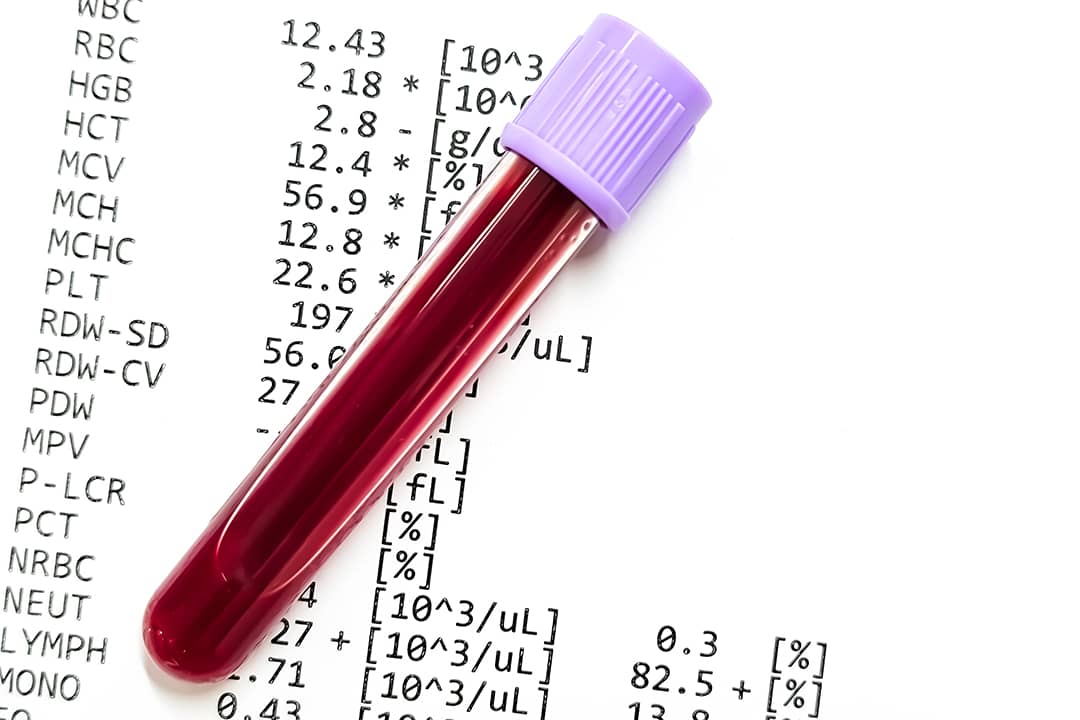

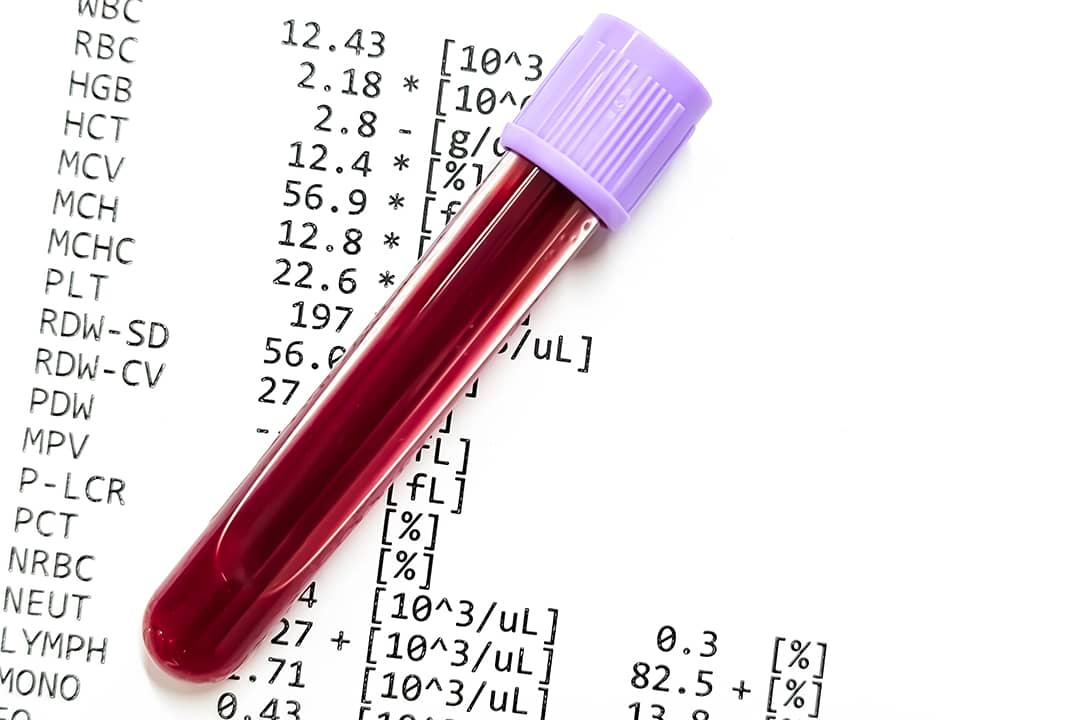
Saiful52 // Shutterstock
Blood tests are easier to order than ever. Doctors warn they’re easy to misread.
Blood work used to start with a doctor’s order, usually to diagnose or monitor disease. But people are increasingly using blood work to ask proactive questions like: How healthy am I? Is something beginning to change? Could I feel or function better?
In a recent national survey of 1,000 U.S. patients who had undergone lab testing in the previous two years, more than 1 in 4 did so out of curiosity without a doctor’s recommendation. Eighty-nine percent were interested in tests that could predict future health risks, and nearly 80% believed they could interpret the results without a provider’s help.
People may think lab results are easy to interpret because they come color-coded like a traffic light: red suggests danger, while green or “normal” suggests everything is fine. But “normal” just means you’re not in crisis, according to longevity-focused integrative physician Dr. Candice Knight. “It doesn’t necessarily mean your body is functioning at its best, or even that disease isn’t already underway. The broad middle ground can still mask significant dysfunction before disease shows up.”
Hone Health examined several types of “normal” lab results from blood tests that could be misleading, and explained how to get the most out of your blood work.
What ‘Normal’ Means on a Lab Result
For many tests, the range considered “normal” is based on results from a large group of people selected as generally healthy. It typically represents the middle 95% of test results for a specific biomarker, essentially, where most people in that group fall.
“That ‘normal’ span is designed to capture the vast majority of results,” said Dr. James Staheli, medical director of Hone Health and a family medicine doctor who specializes in longevity and hormone optimization. “A number can be technically normal and still be telling you something. If your fasting glucose has been creeping up year over year, for example, or your testosterone has been slowly dropping, that trend matters — even if you haven’t crossed any thresholds yet.”
For this reason, some physicians look beyond “normal” reference ranges to identify narrower “optimal” zones that may be associated with lower disease risk, more energy and focus, a healthy body composition or better day-to-day functioning.
That context can become especially important with age, as reproductive hormones fluctuate and decline, metabolism changes, and rising blood pressure and inflammation can inch you closer to developing diabetes, heart disease, and cognitive decline.
What counts as optimal may also change across the lifespan. “A 30-year-old and a 70-year-old may both be in the same normal range for a biomarker, even though their physiology and needs are very different,” Staheli said.
5 ‘Normal’ Lab Results That Could Be Misleading
Whether a result is optimal for you may depend on how it relates to other biomarkers and whether it has changed over time along with any symptoms or health risks you have. Here are five common examples.
- Total testosterone
The normal range for men is 300–1,000 ng/dL, but fatigue, low libido, and reduced muscle mass can all occur within that range, which is why clinical guidelines recommend weighing symptoms alongside the number.
- Estradiol and progesterone
A hormone level can be normal for one point in the menstrual cycle but still fail to explain or address symptoms occurring across the month or during perimenopause.
- TSH
A thyroid-stimulating hormone (TSH) can be within the normal range, but your optimal level may be higher or lower depending on factors such as age, pregnancy, thyroid treatment, symptoms, and related results such as free T4.
- Fasting glucose
In people who go on to develop Type 2 diabetes, fasting glucose can appear normal for years even as insulin resistance is developing. By the time glucose rises, metabolic changes are often already underway.
- LDL cholesterol
A normal low-density lipoprotein (LDL) level can hide heart disease risk because it measures the amount of cholesterol in your blood — not the number or size of the particles carrying it. You may still have a high number of small, dense particles that can penetrate artery walls and drive plaque buildup.
How to Get the Most from Your Lab Results
Whether your doctor ordered blood work or you purchased it yourself, normal results aren’t the end of the conversation, especially if you’re trying to understand your long-term health risks. A physician can help you determine whether “normal” is the right benchmark for you, given your age, symptoms, family history, and related biomarkers. These questions can help guide that conversation.
Where does my result fall within the normal range? A result near the low or high end of a broad range may carry different implications than one closer to the middle.
Has this number changed over time? A result that has been trending in one direction over several years may deserve attention even if it remains within range. Ask your doctor to compare current results with previous ones to look for patterns that could be a red flag.
Are there related markers that would give a fuller picture of my future disease risk? Some biomarkers are more meaningful in combination: fasting insulin alongside glucose, for example, or free testosterone alongside total. Ask whether additional testing would help answer your health question.
The goal isn’t to push every result into the high-normal range, according to urologist Dr. Joshua Calvert. “Some people function best at the upper half of a range,” he explained. “Others feel well in the middle. The goal should be to find the range that’s optimal for you.”
This story was produced by Hone Health and reviewed and distributed by Stacker.